01
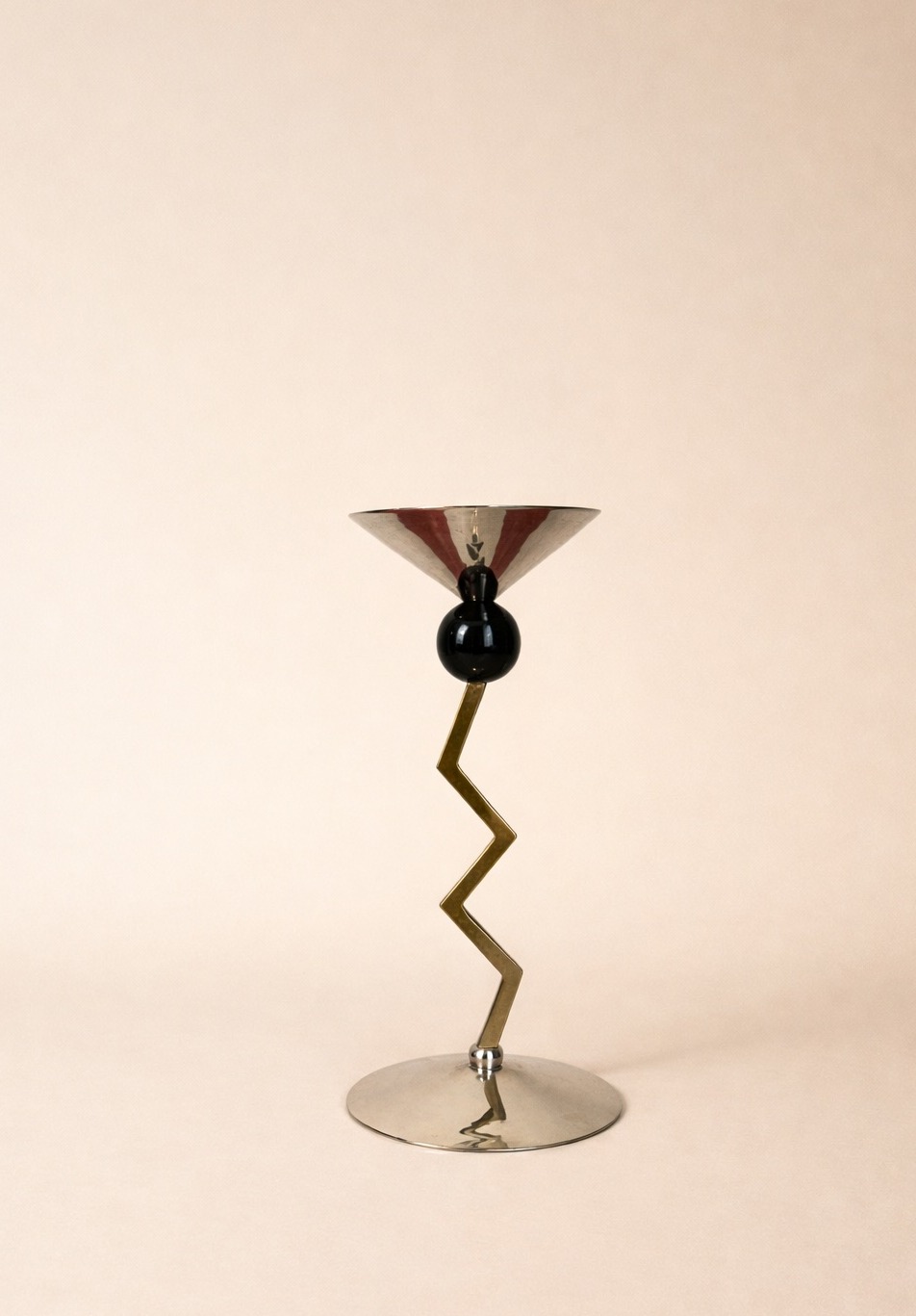
Zig-Zag Brutalist Candlestick
Spain, 1960s
The silhouette did all the work here. From a distance it looks almost like a drawing, part candlestick, part sculpture. Pieces like this are why I'm drawn to Brutalism.
Spain, 1960s
The silhouette did all the work here. From a distance it looks almost like a drawing, part candlestick, part sculpture. Pieces like this are why I'm drawn to Brutalism.
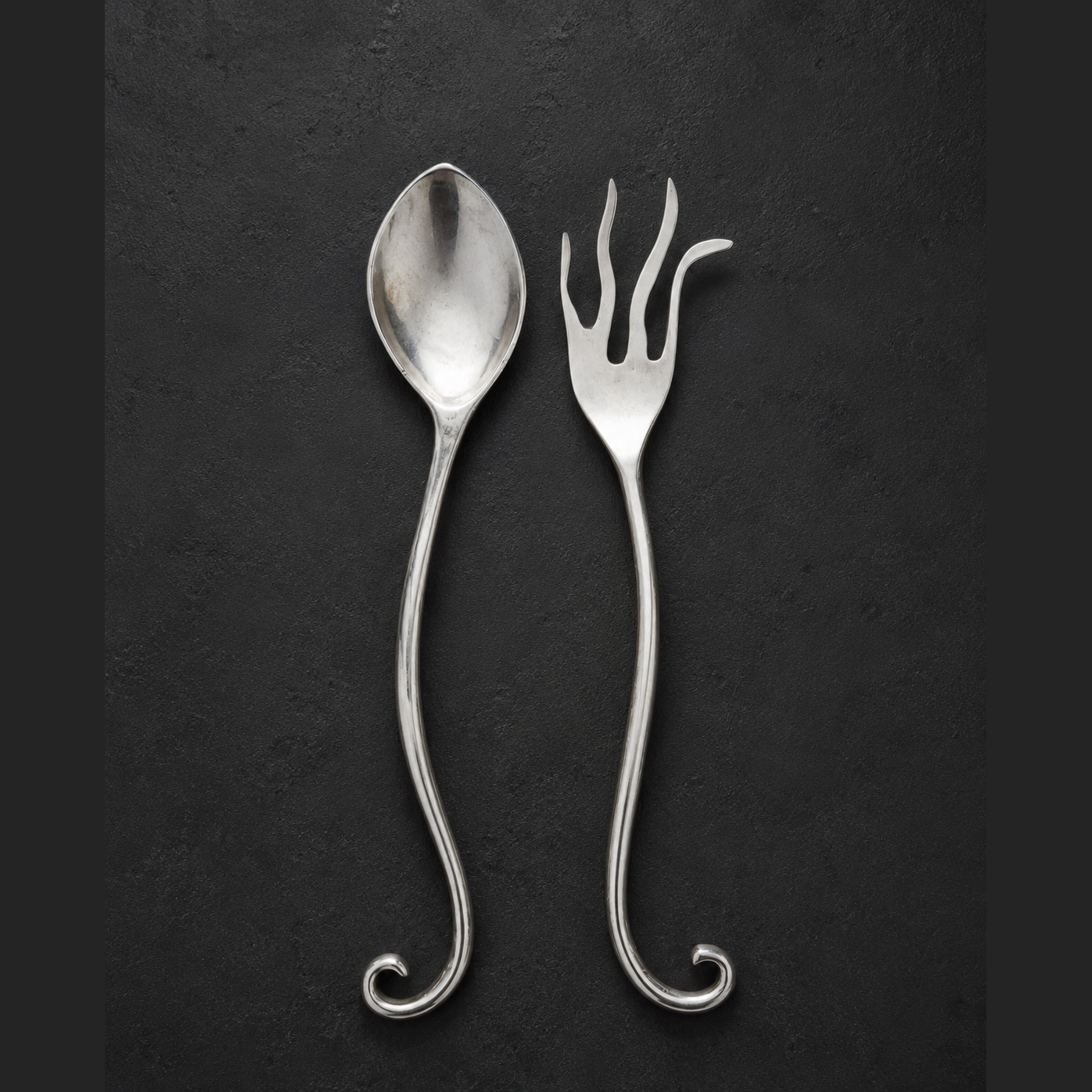
Germany, 1990s
I'm always drawn to everyday objects that have been given more attention than strictly necessary. These are a good example. The flowing curves and playful proportions transform something entirely practical into something memorable.
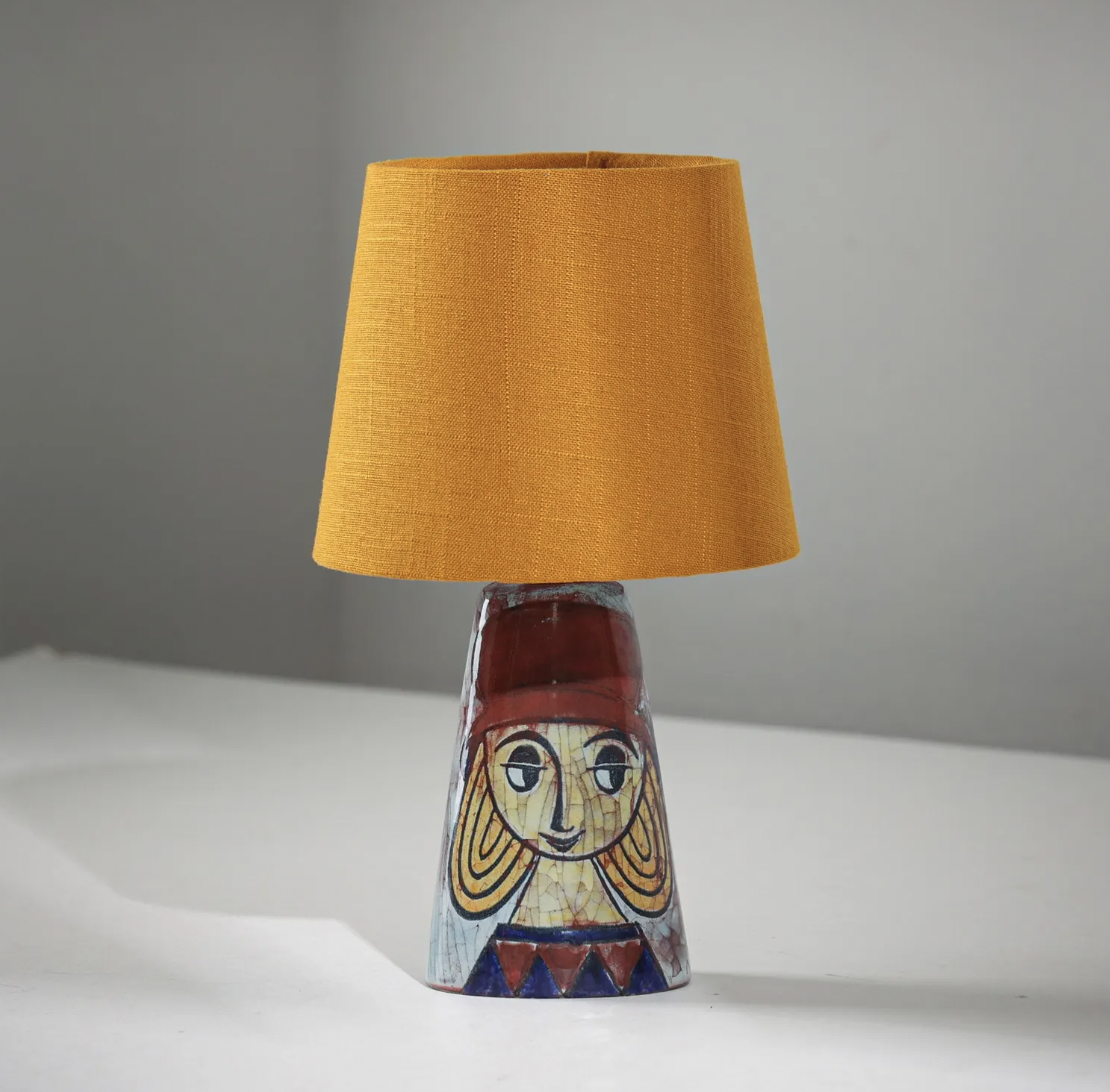
Denmark, 1960s · Height with shade 34 cm
There's a playfulness to this ceramic lamp that stopped me immediately. The hand-painted face gives it a personality without tipping into novelty. I think it would very quickly become my favourite object in a room.
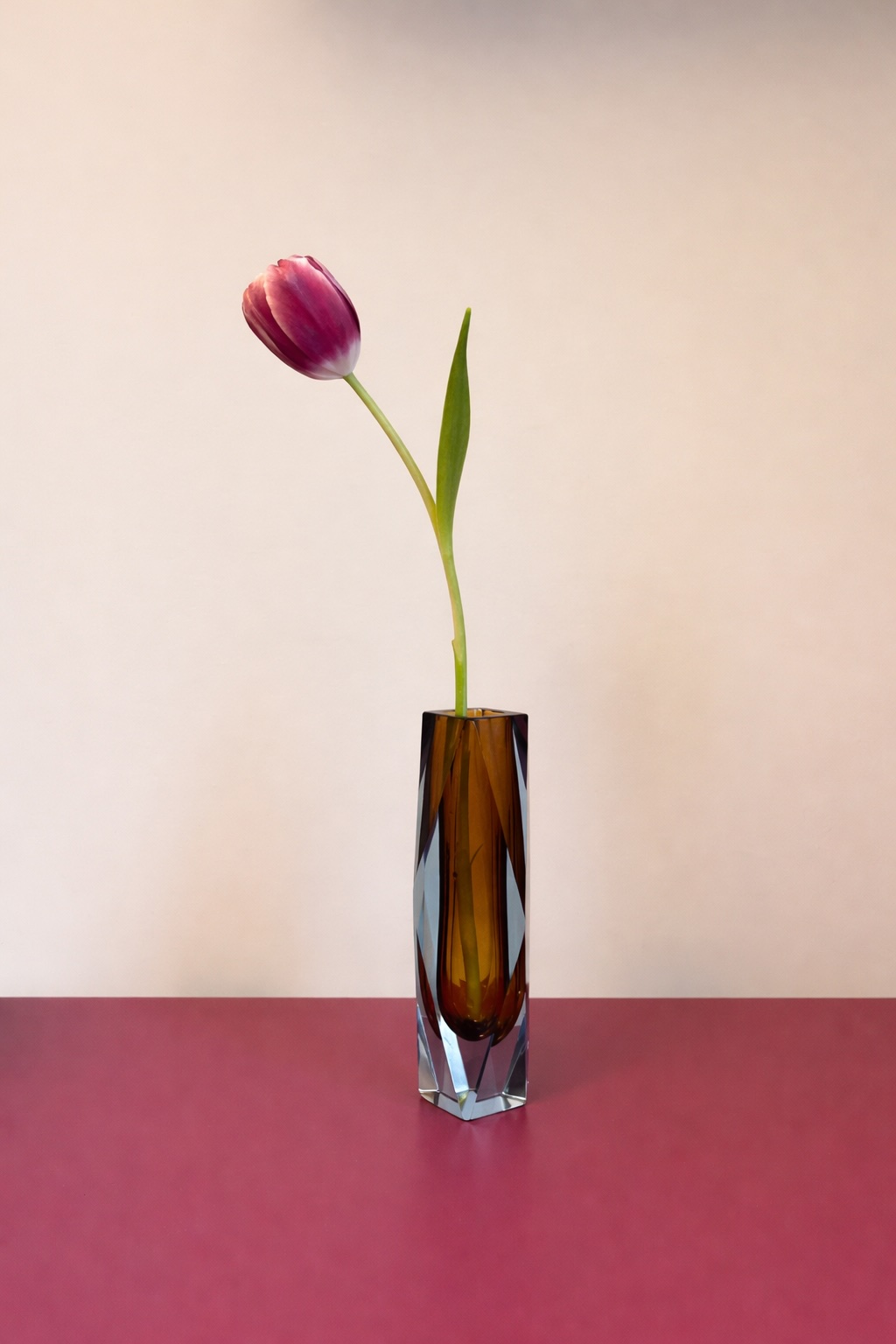
Flavio Poli, Italy, 1960s
What drew me to this vase was the way the colour shifts with the light. The faceted form catches and refracts every change throughout the day, making it feel different from one hour to the next. Beautiful with flowers, but just as compelling on its own.
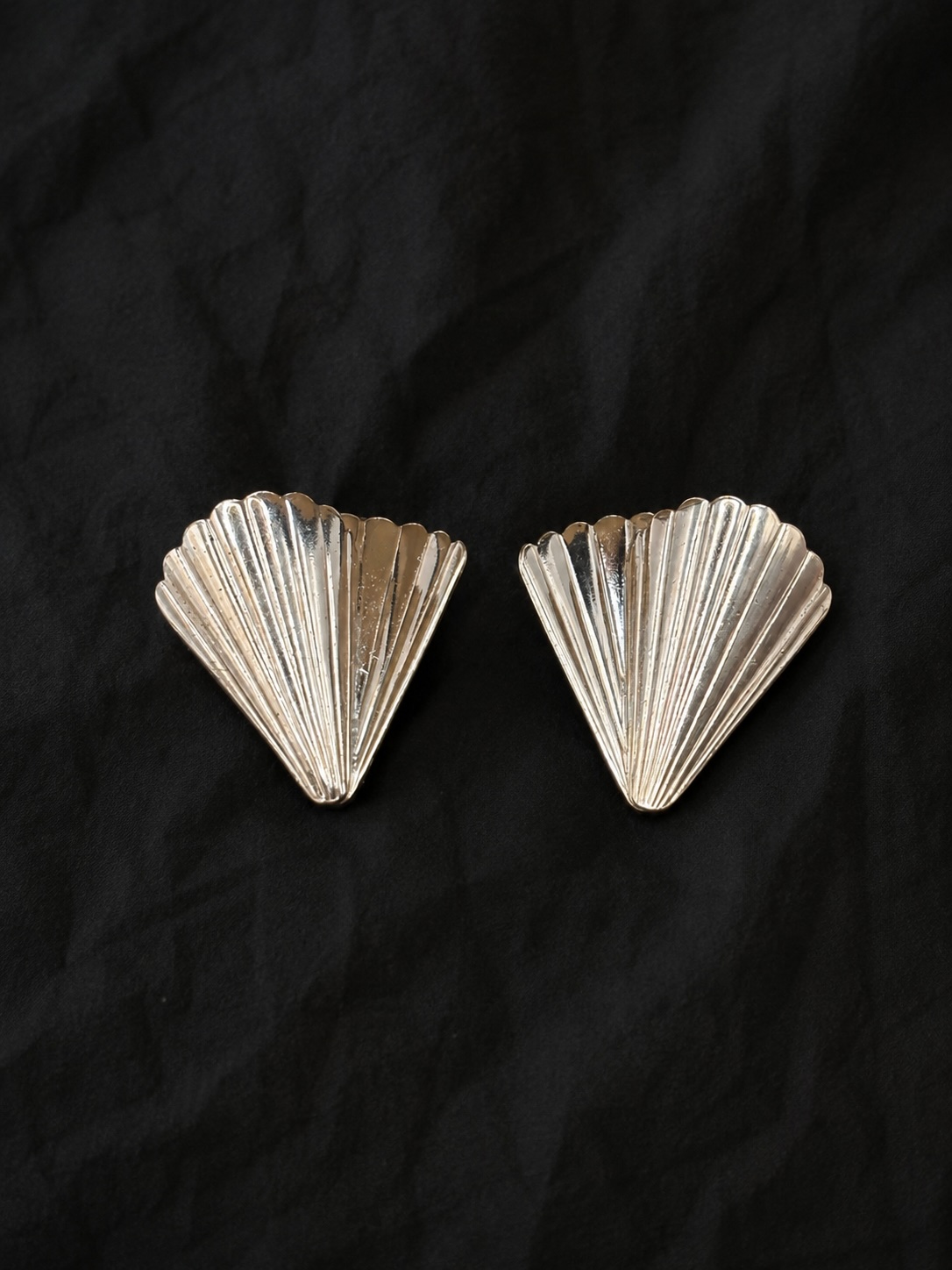
Asia, 1930s · 2 × 2 cm
Details to follow.
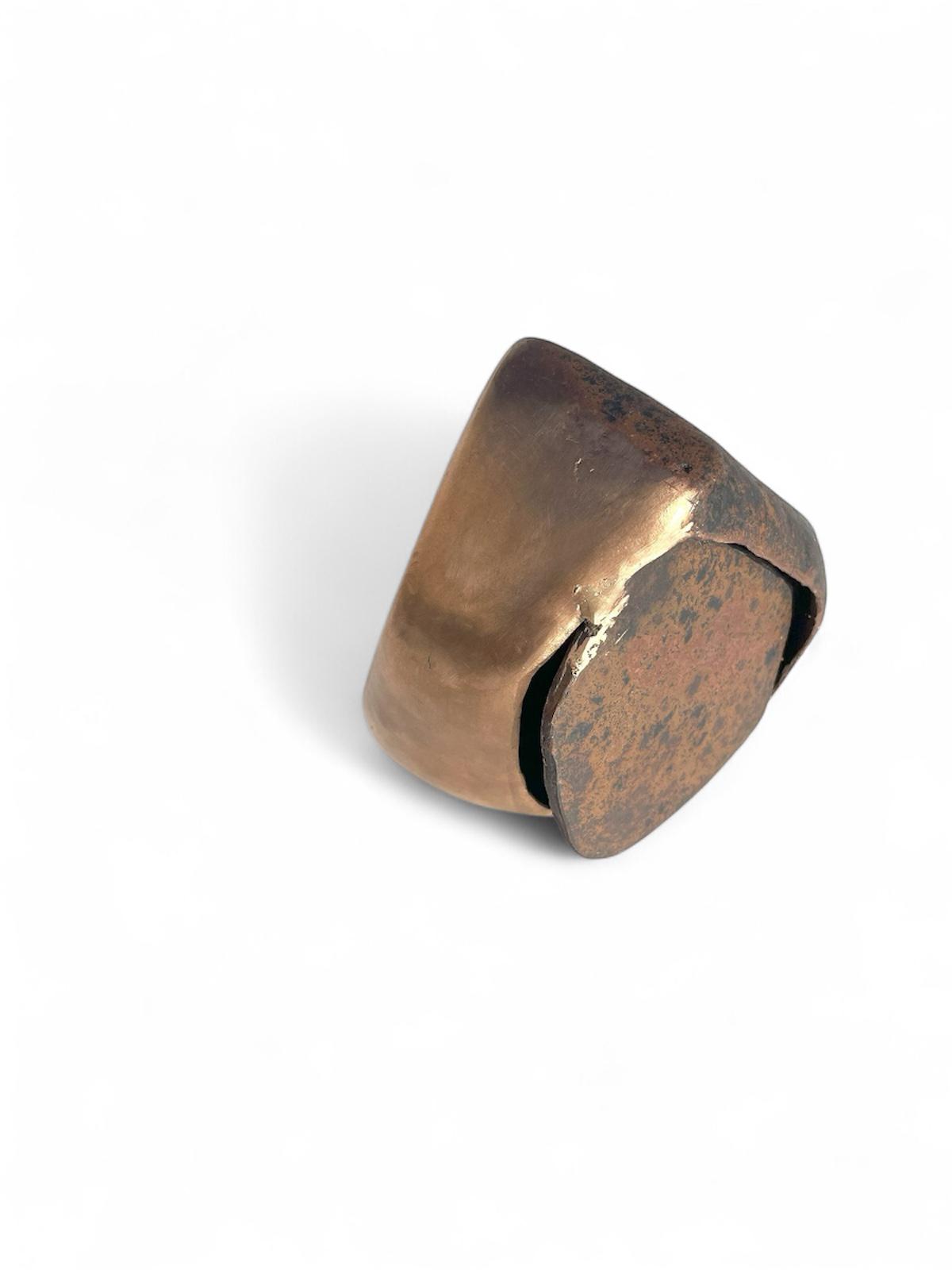
Fernando Miñarro Mena, Spain, 2026 · 15 × 15 × 15 cm
I liked how difficult this piece is to categorise. Depending on the angle, it feels architectural, industrial or almost geological. It's compact, but it has a surprising amount of presence. It would look great on a set of shelves or a console table.
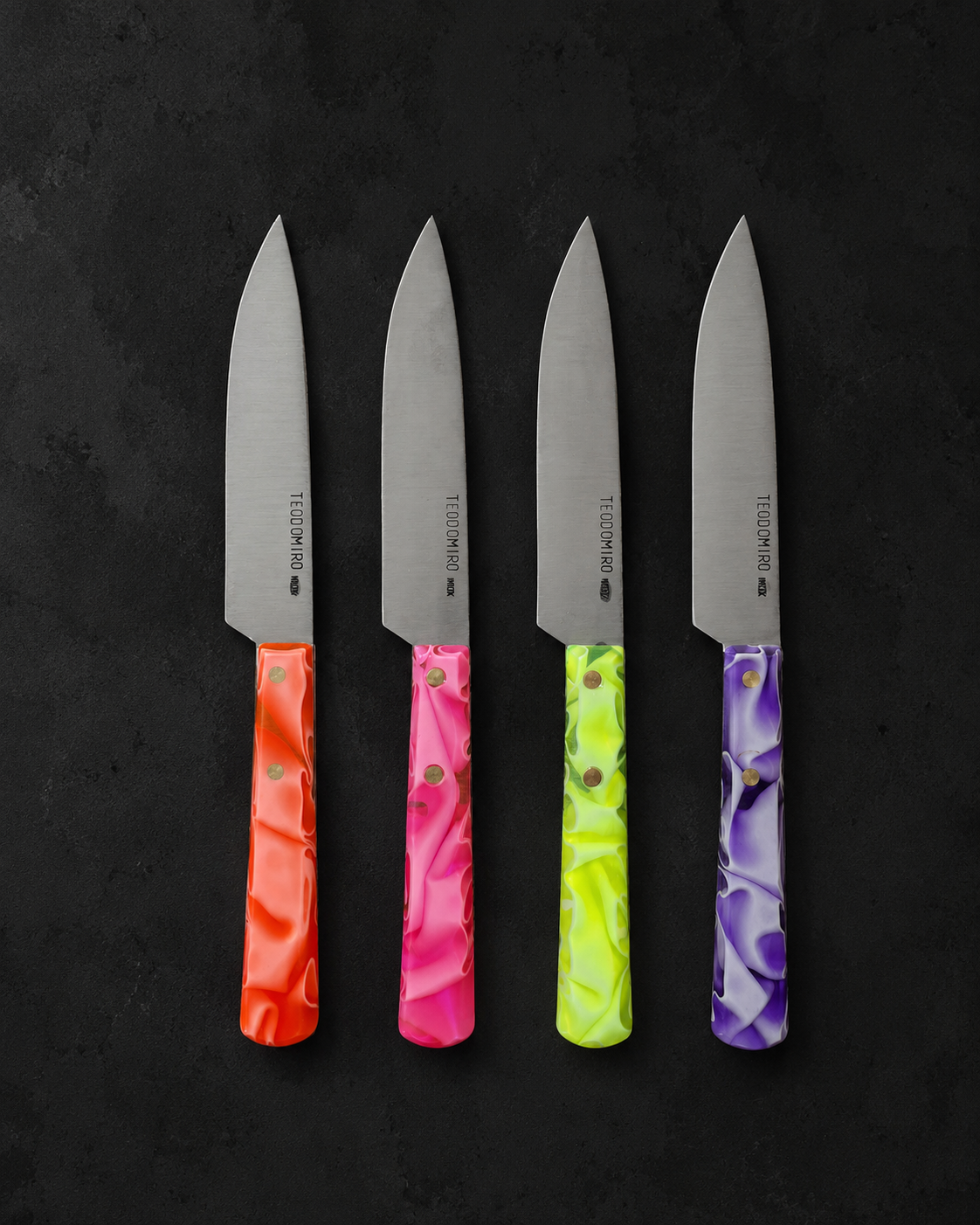
Badajoz, Spain, 2026
Most knives disappear into the background. These do the opposite. I liked the almost liquid-looking, psychedelic handles and the neon colours. They're the sort of object that makes an ordinary table setting feel a little less predictable.
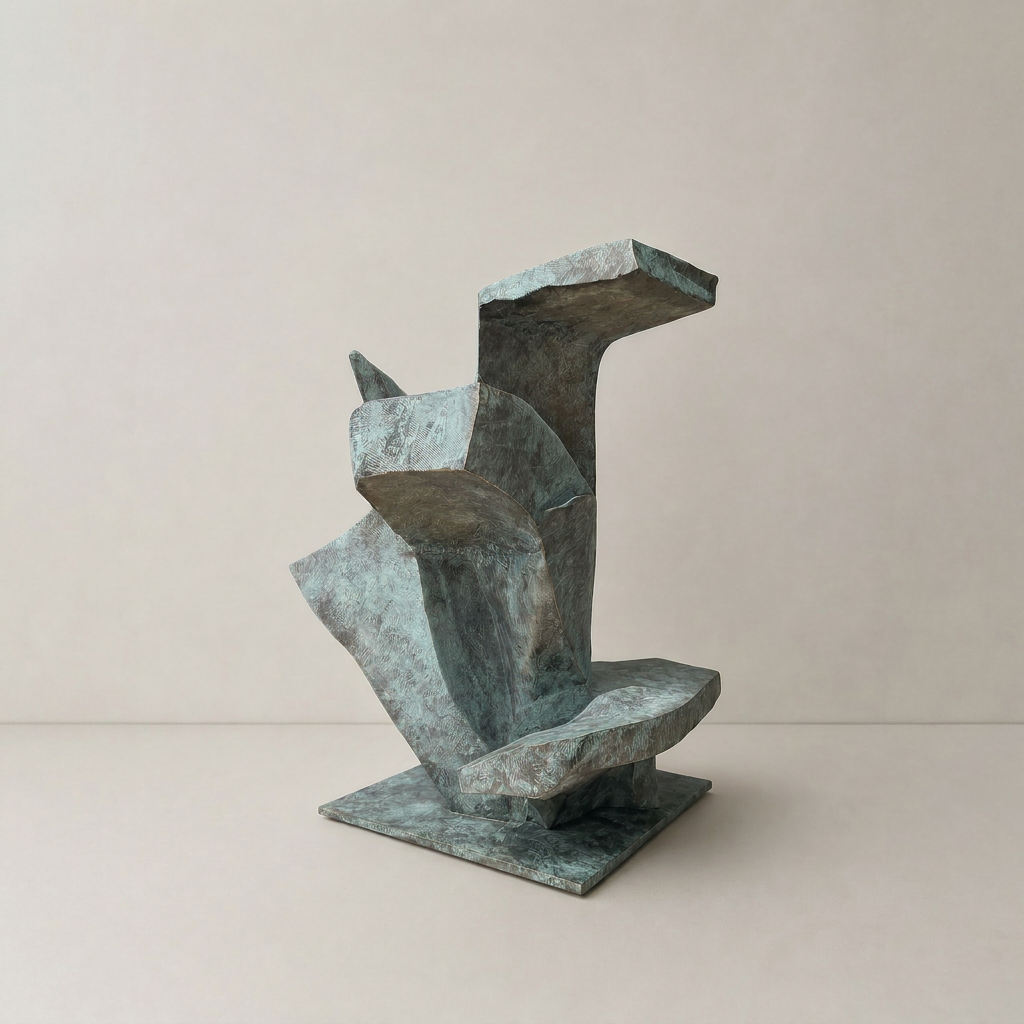
Fernando Miñarro Mena, Spain, 2026 · 40 × 40 × 45 cm
I love the way this sculpture has shifting angles, and is so abstract. The way it seems different from every viewpoint. Made from bronze, which reflects the artist's interest in casting processes, form and material tension.
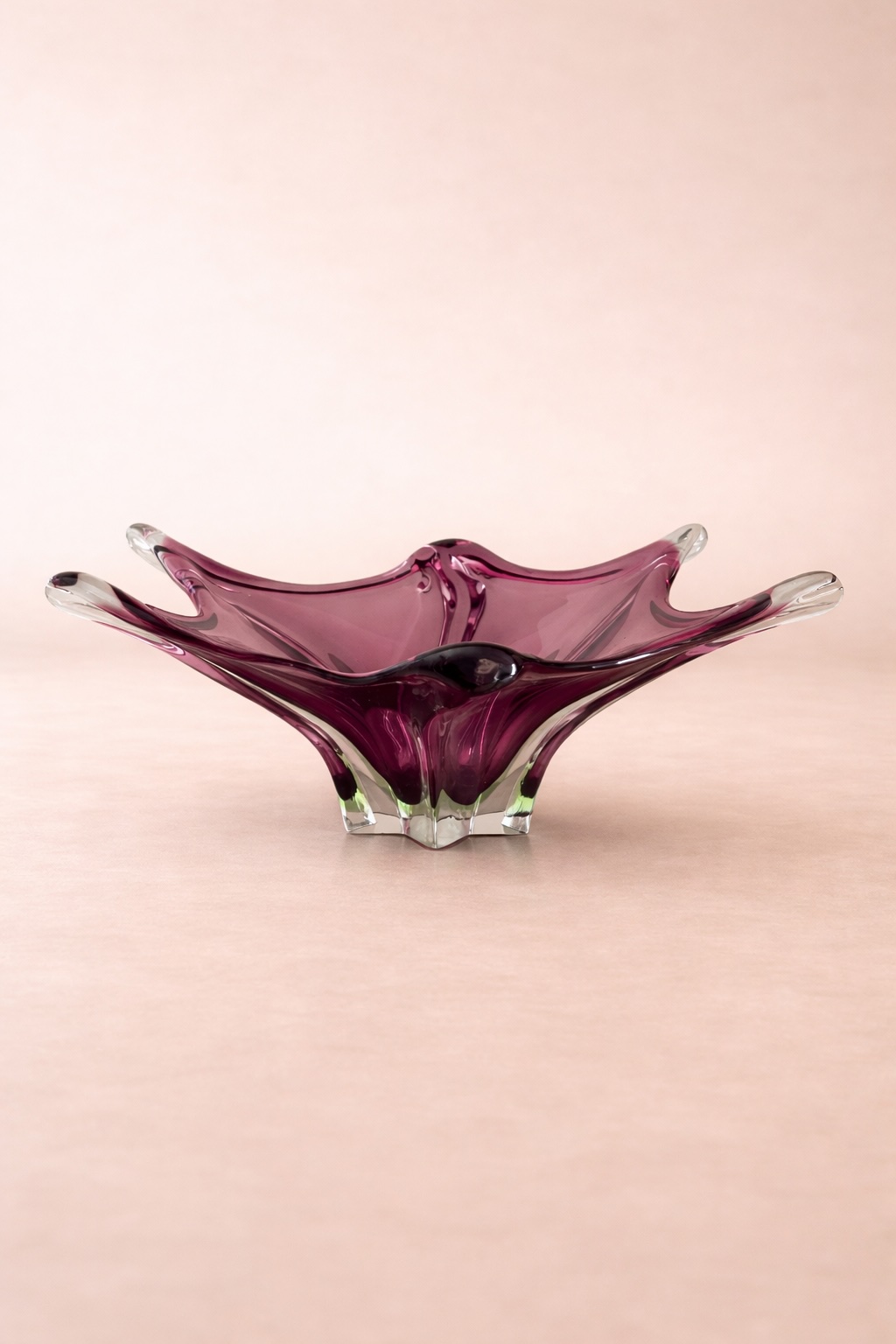
Italy, 1970s
I have a soft spot for Murano pieces that feel slightly theatrical. The colour sits deep within the glass, almost suspended, while the folded edges give it a sense of movement even when standing still. It catches the light beautifully, but never feels decorative for decoration's sake.
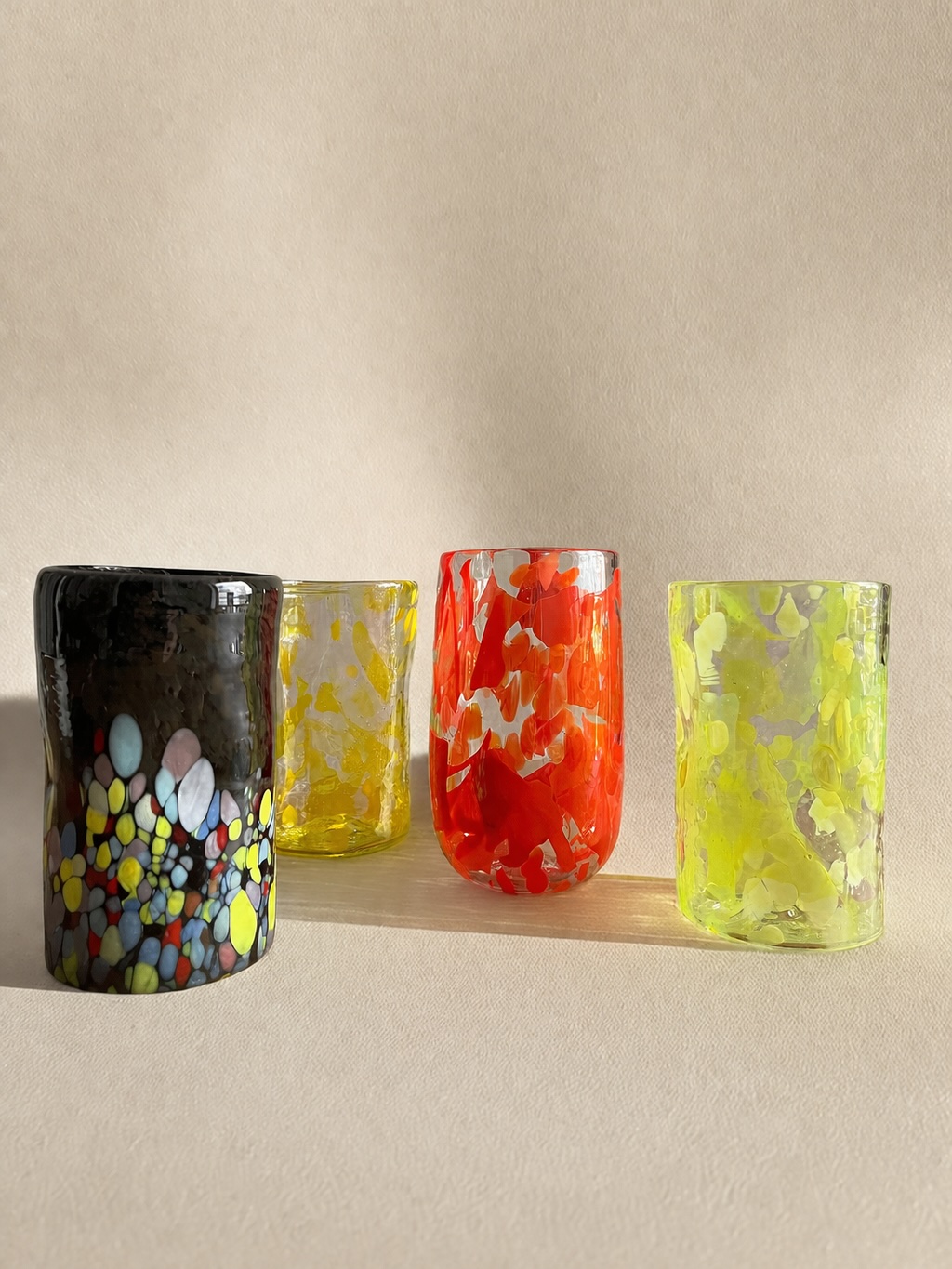
Maryana Iskra for Ribes, Italy, 2000
With these handmade glasses, no two feel quite the same. Together they bring a sense of play to a table without looking overly coordinated. The best entertaining pieces have a way of making everyday moments feel a little more special, and these do exactly that.
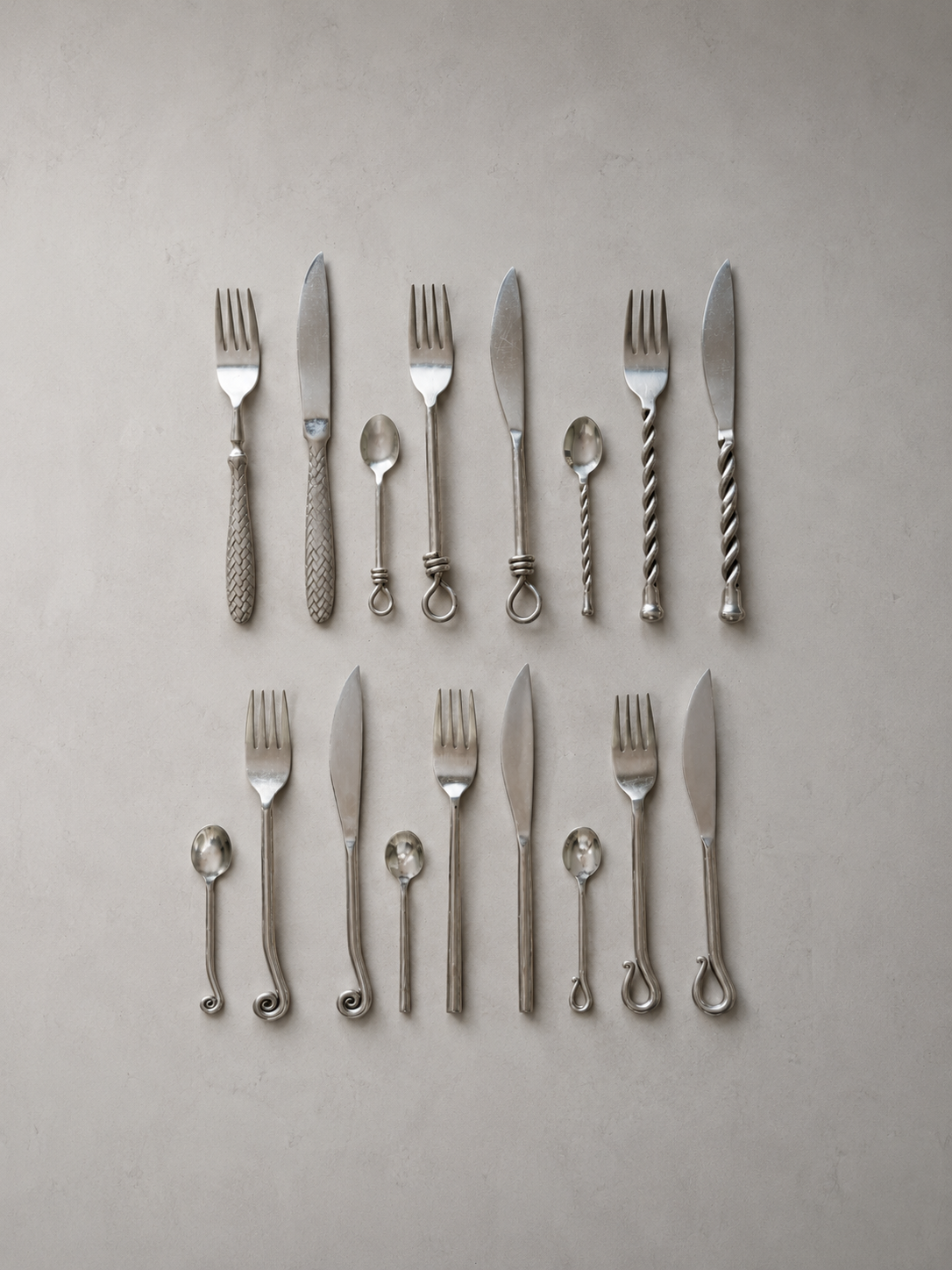
France, 1990s
I liked that each piece brings something different to the table—the twisted handles, the loops, the woven detailing. Together they feel collected over time rather than bought all at once.
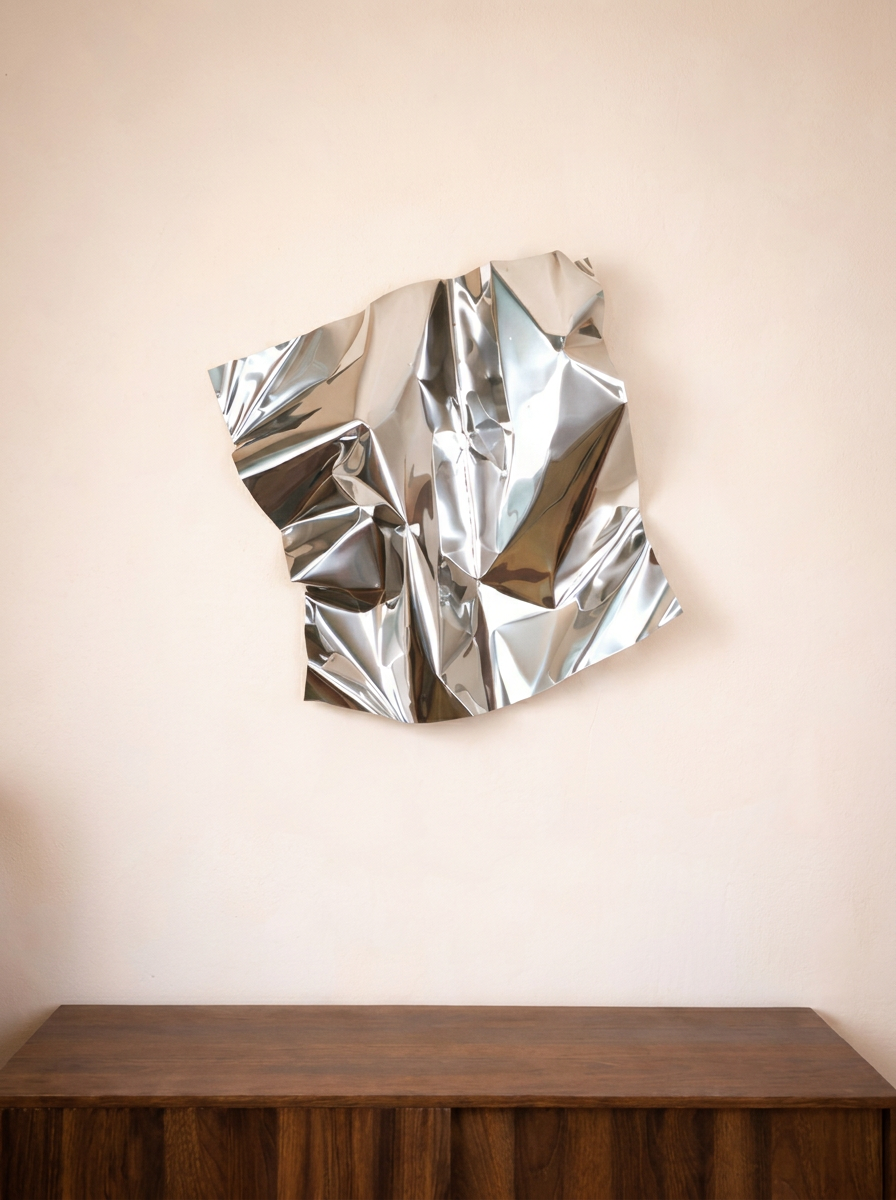
José Soler, Spain, 2025 · 70 × 70 cm
Crafted from stainless steel, I love how this piece challenges the material's inherent strength by evoking the softness and fluidity of fabric. The tension between the material and the form is what drew me in.
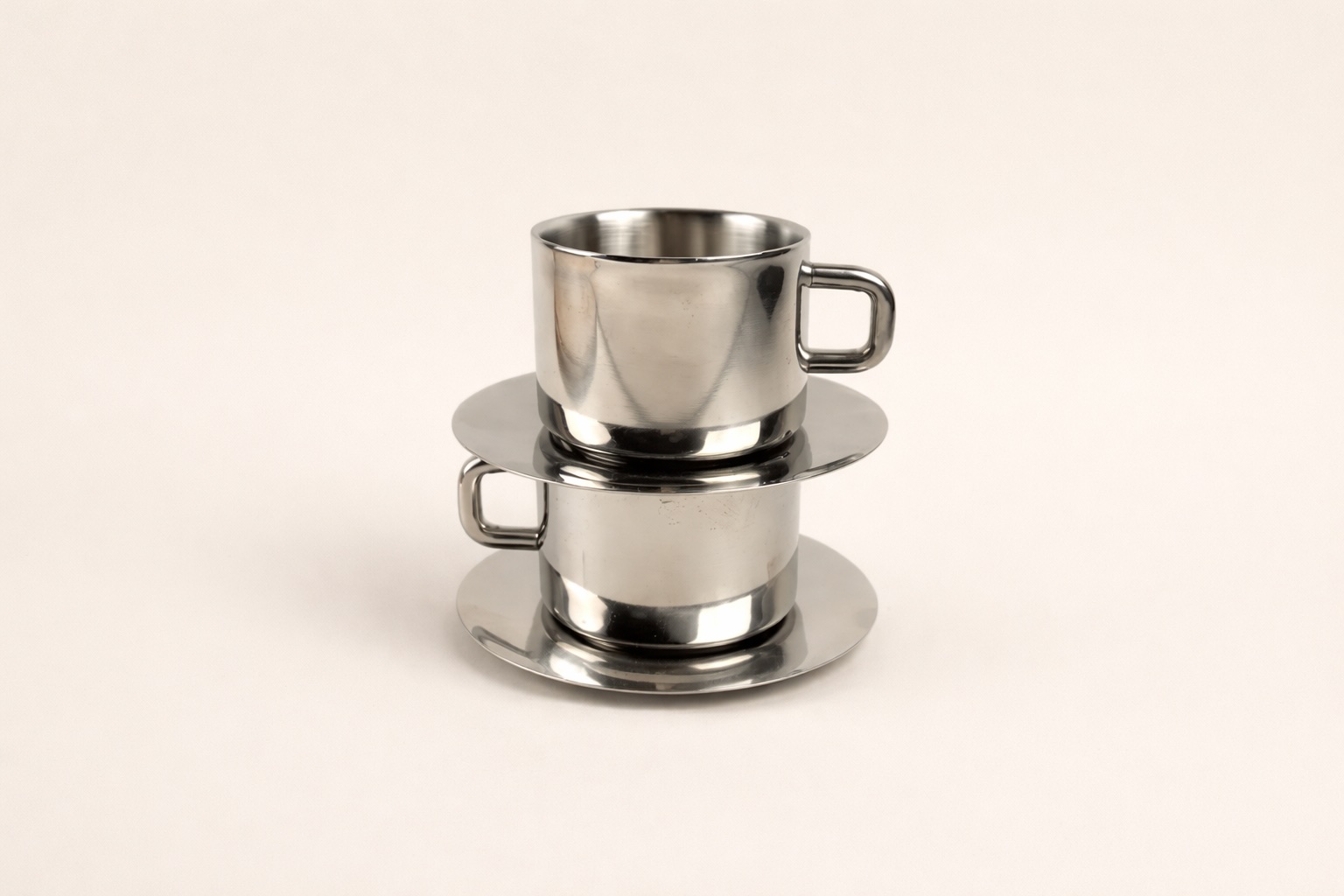
Inox, Italy, 1980s
As you can tell, I love stainless steel. These feel like a future imagined several decades ago and reflect a period when industrial design was deeply tied to everyday life.
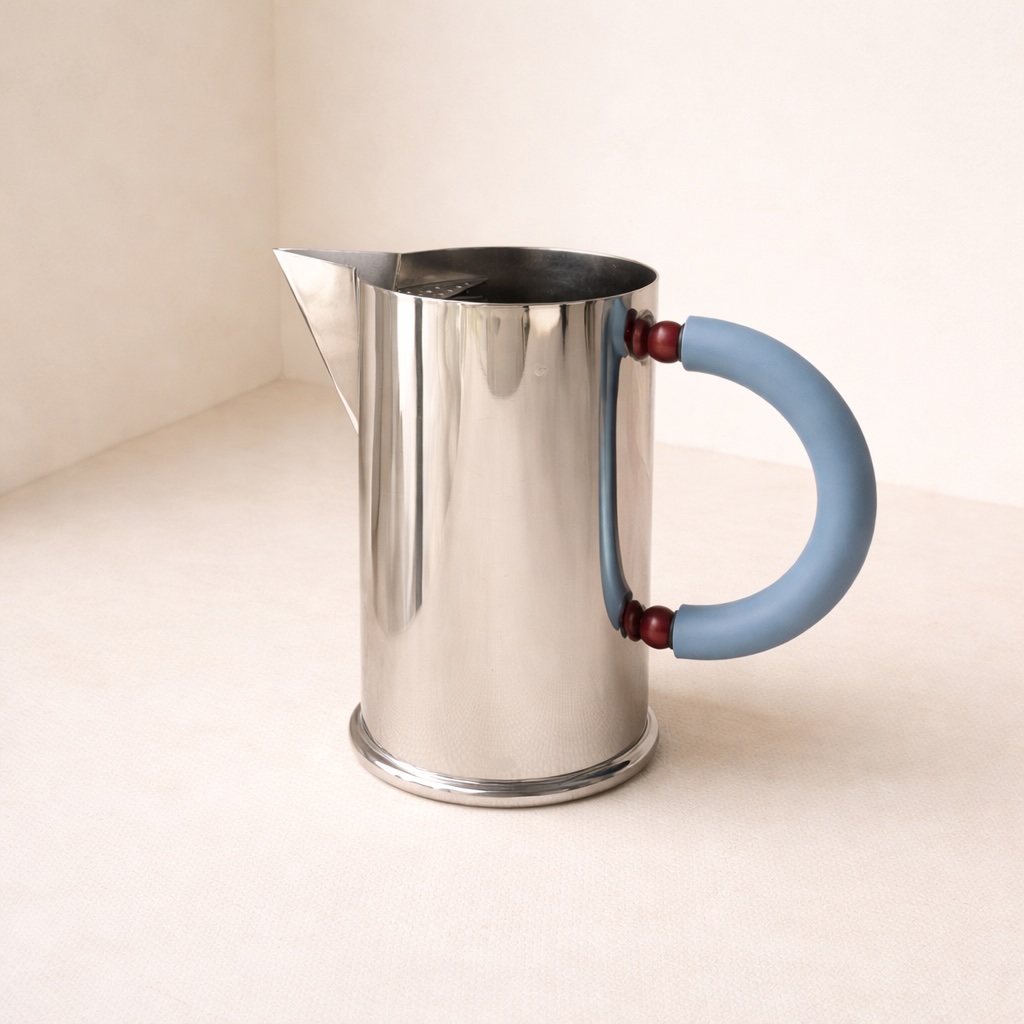
Michael Graves, Italy, 1991
Some designers manage to make even the most ordinary objects instantly recognisable. Michael Graves was one of them. I love the combination of polished steel and the powder-blue handle, it feels both functional and slightly eccentric.
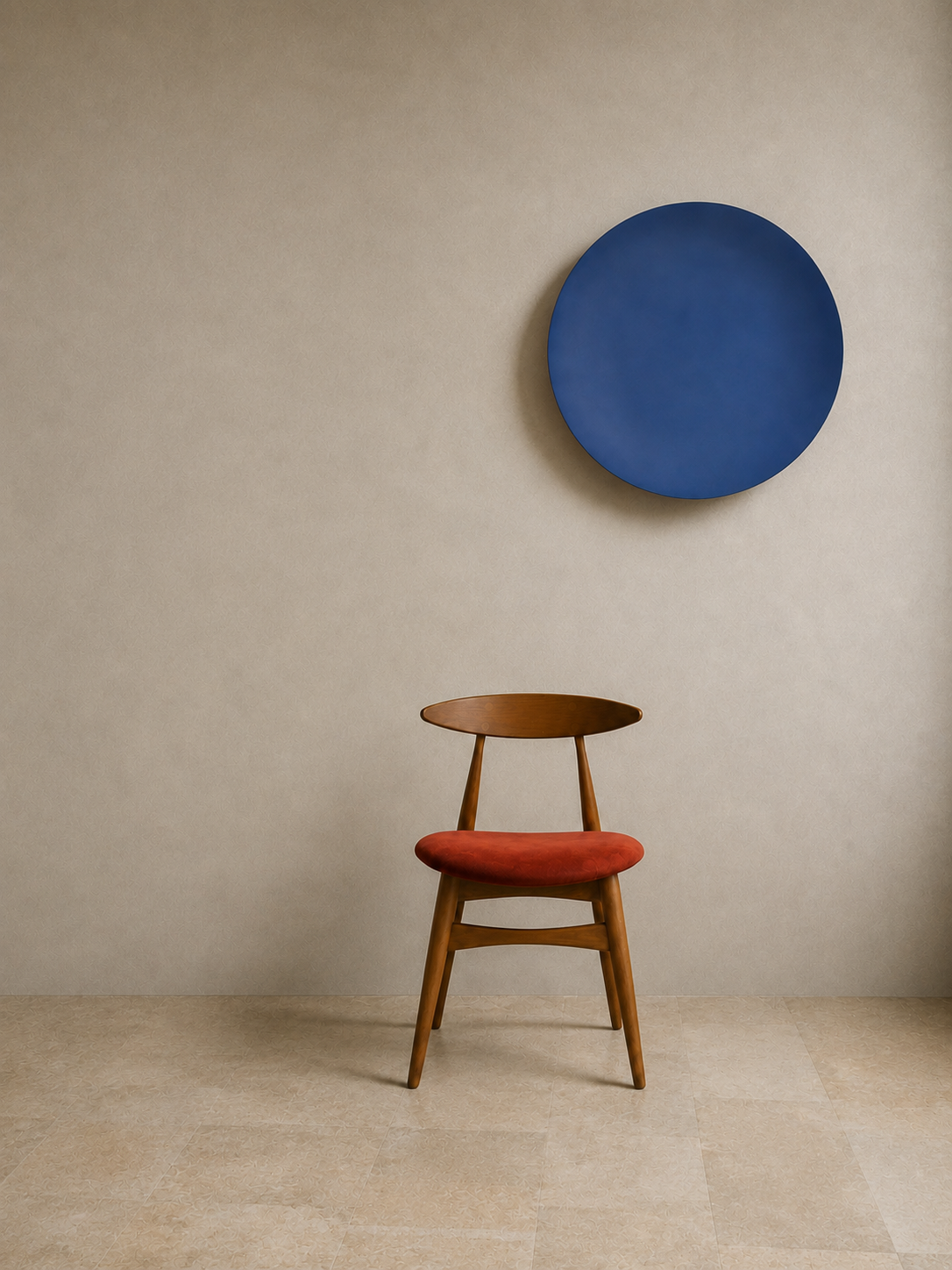
José Soler, Spain, 2025 · 70 × 70 × 7 cm
Spanish artist José Soler's sculpture draws on the Spanish tradition of hanging ceramic plates on walls, reinterpreting the gesture through a contemporary lens. Reduced to its essentials, the form is a slightly concave circle, representing the most elemental of geometries, and finished in a single matte blue. Minimal in means yet visually intense, the piece has a quiet, magnetic presence that invites sustained attention.
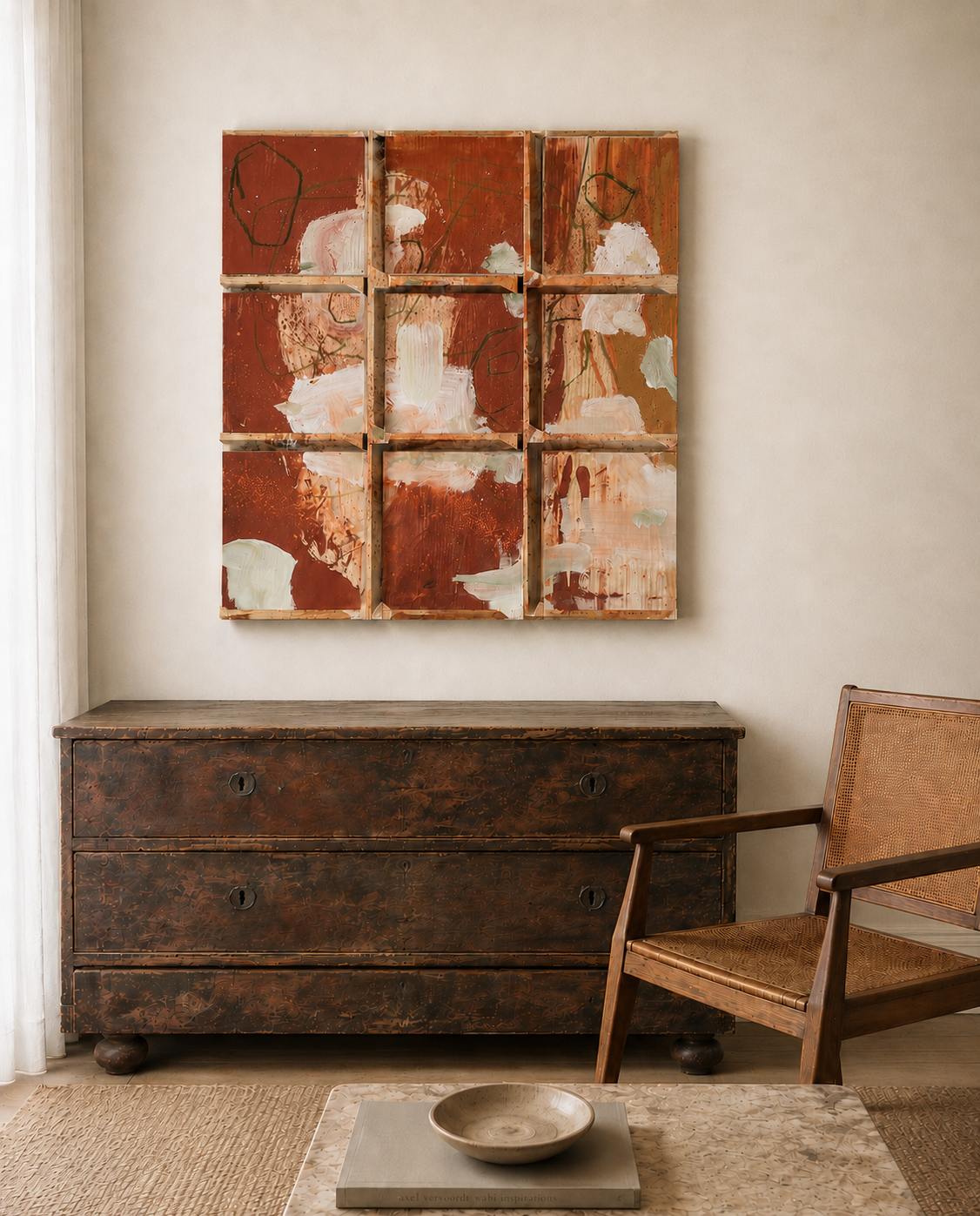
Fernando Miñarro Mena, Spain, 2025 · 90 × 90 cm
I like works that reveal themselves gradually. From a distance this feels almost architectural; up close, it's full of texture, traces of process and small decisions. The tension between structure and spontaneity is what makes it compelling.
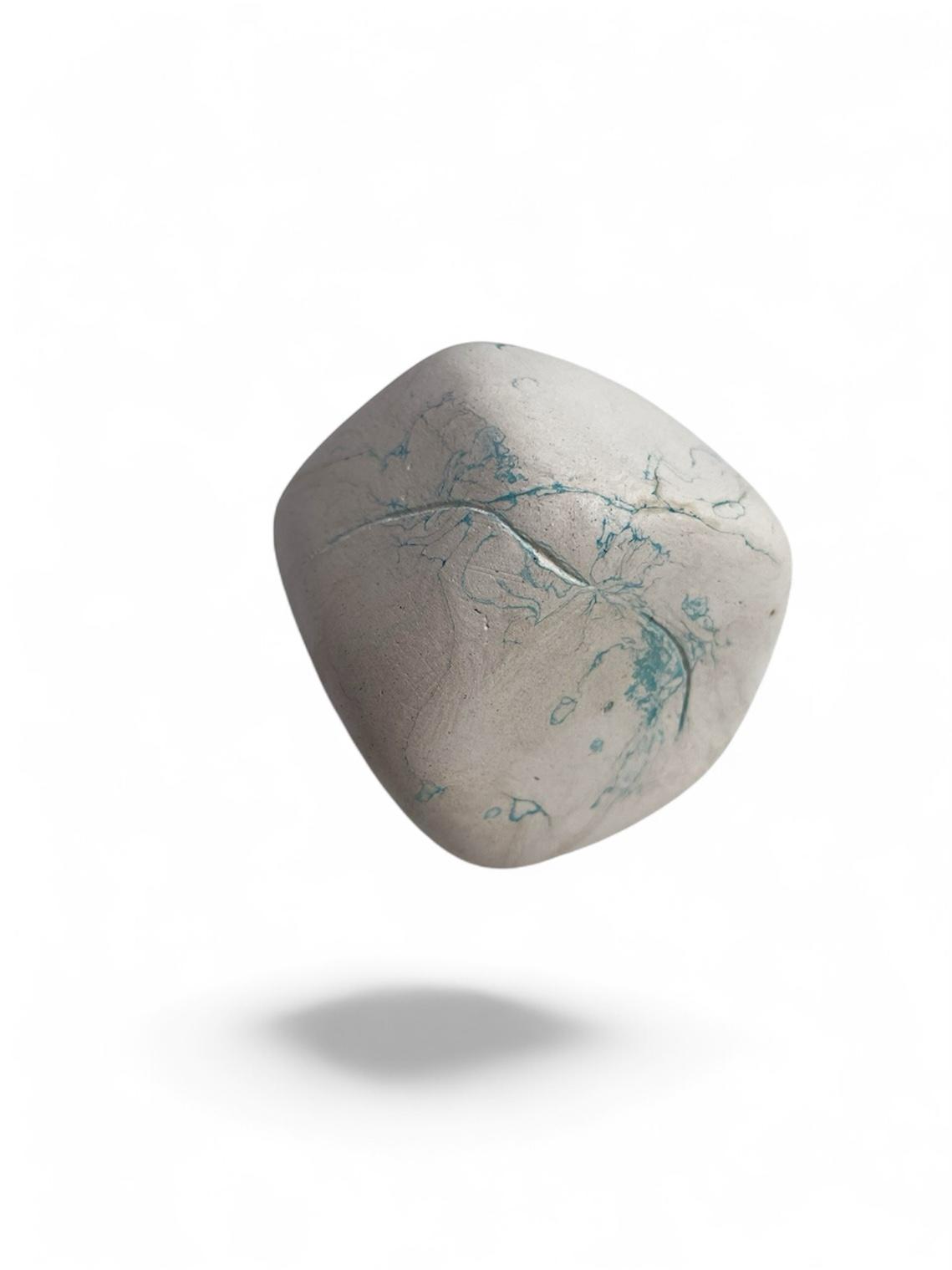
Fernando Miñarro Mena, Spain, 2026 · 10 × 10 × 10 cm
I really like the ambiguity of this piece. Depending on how you look at it, it feels somewhere between a stone, a fragment of landscape and an abstract object. And I love how it looks in a home. The blue veining introduces just enough unpredictability without overwhelming the piece.
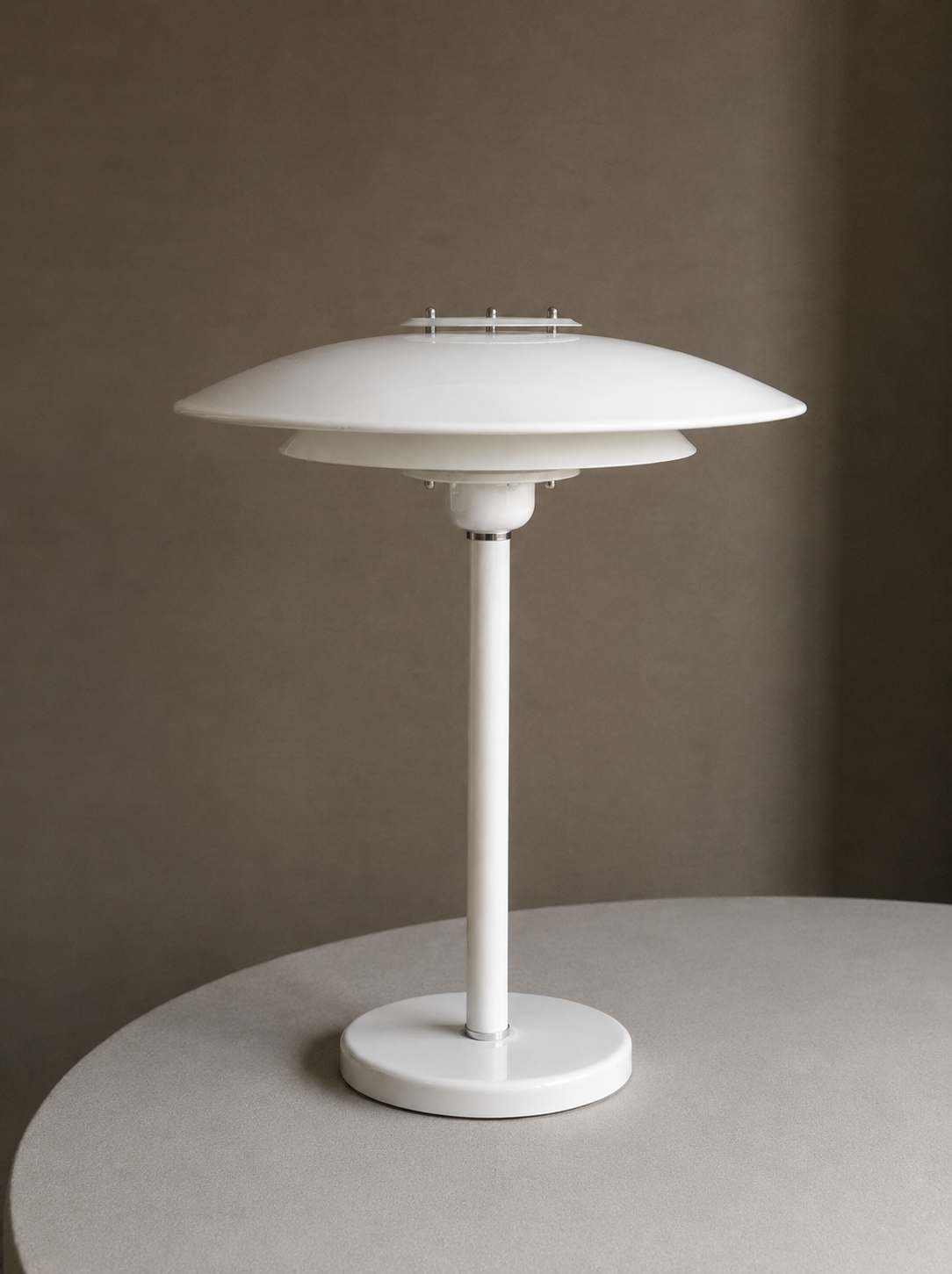
Poul Henningsen for Louis Poulsen, Denmark, 1990s
There are very few lighting designs as influential as Henningsen's PH series. I chose this piece because it manages to be both highly functional and visually restrained. The layered shades were designed to eliminate glare, but they also create one of the most elegant forms in Danish design.
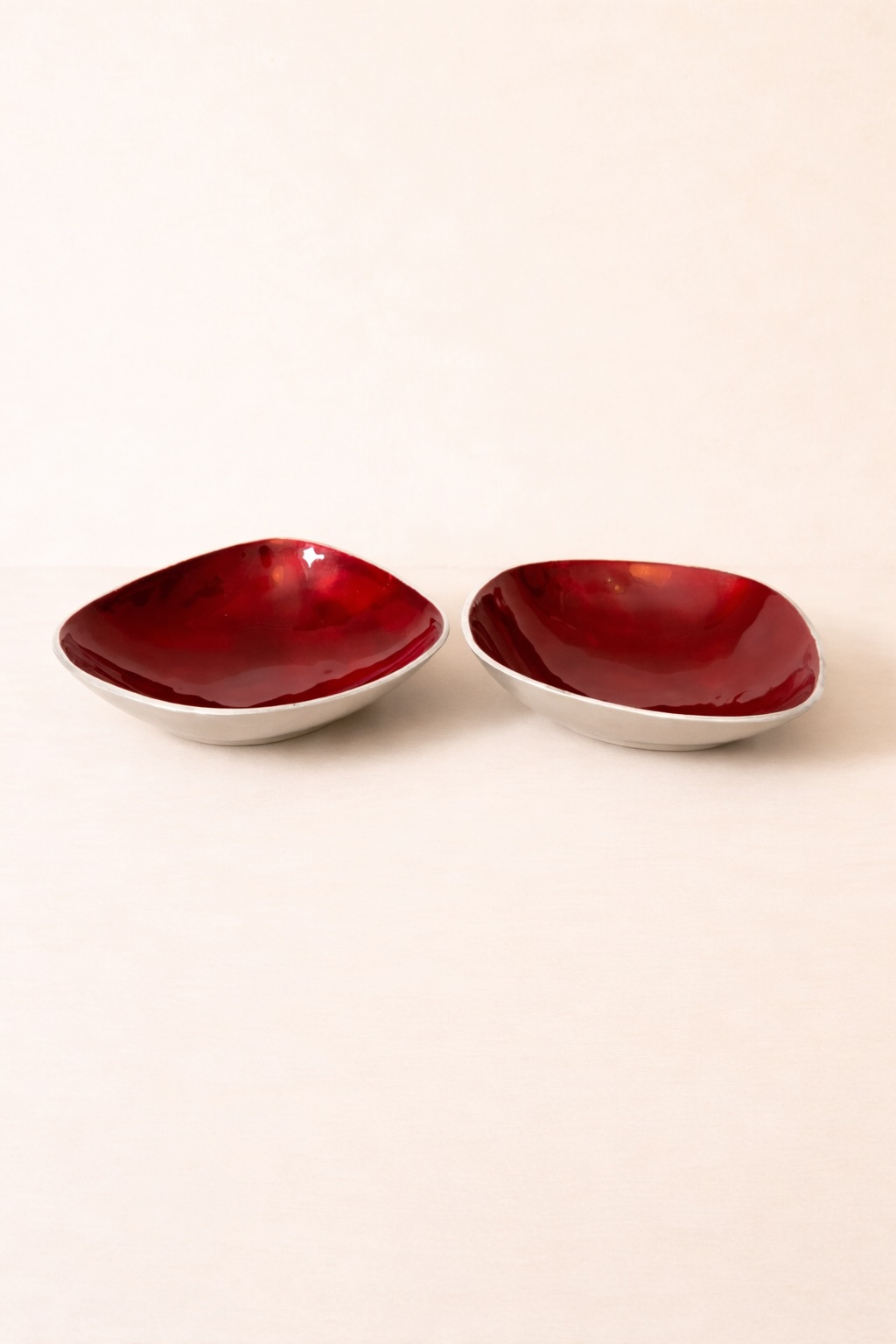
Portugal, 1950s
I immediately fell for these bowls with their glossy red centre against the brushed aluminium exterior. The contrast feels very considered without feeling overly designed.
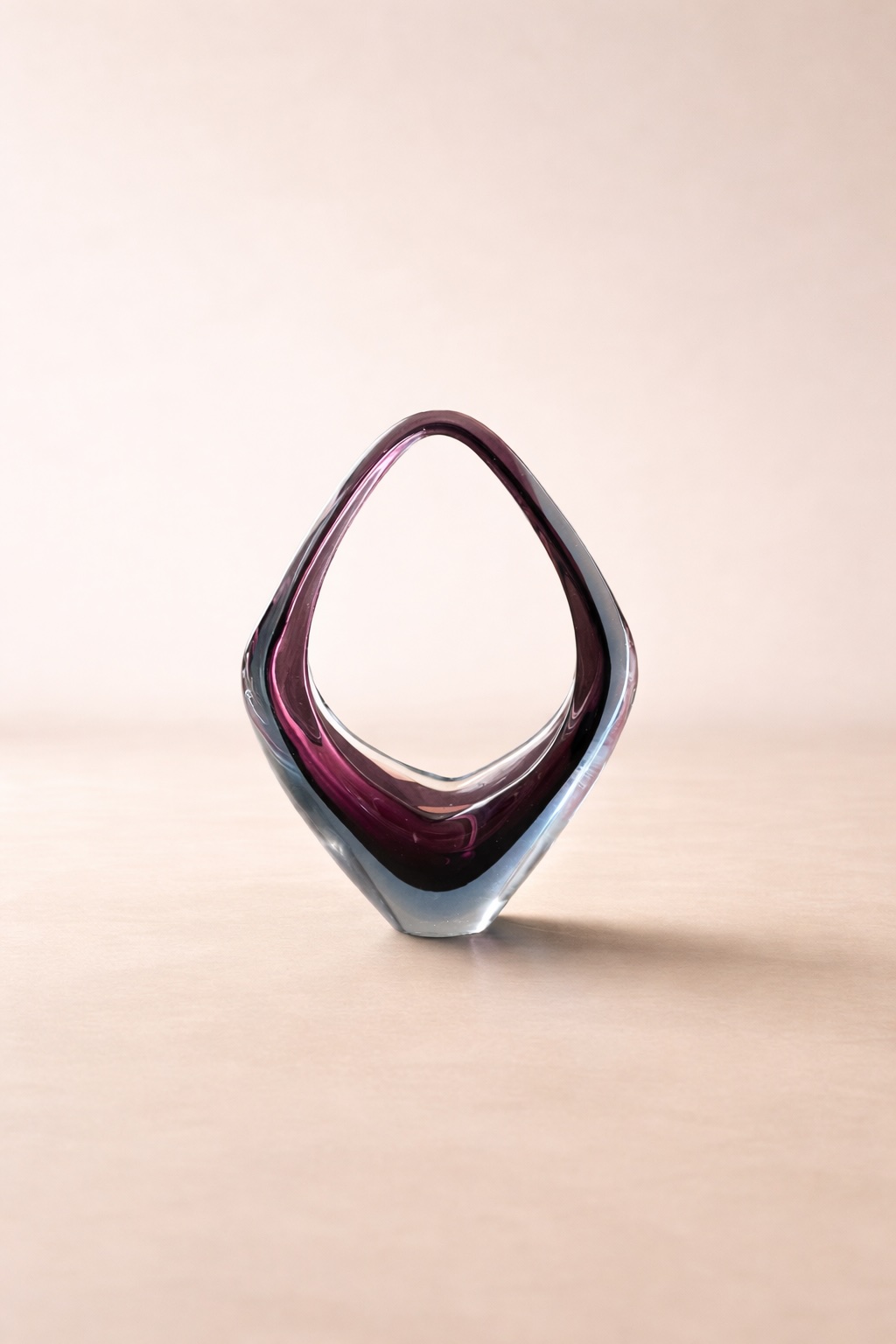
Flavio Poli, Italy, 1960s
Designed in Murano during the mid-century period, this Sommerso glass sculpture reflects Flavio Poli's sensitivity to colour and form. Layers of glass dissolve gently into one another, creating depth and quiet movement within the piece. Substantial in weight and beautifully clear, it holds light with a calm, luminous presence.
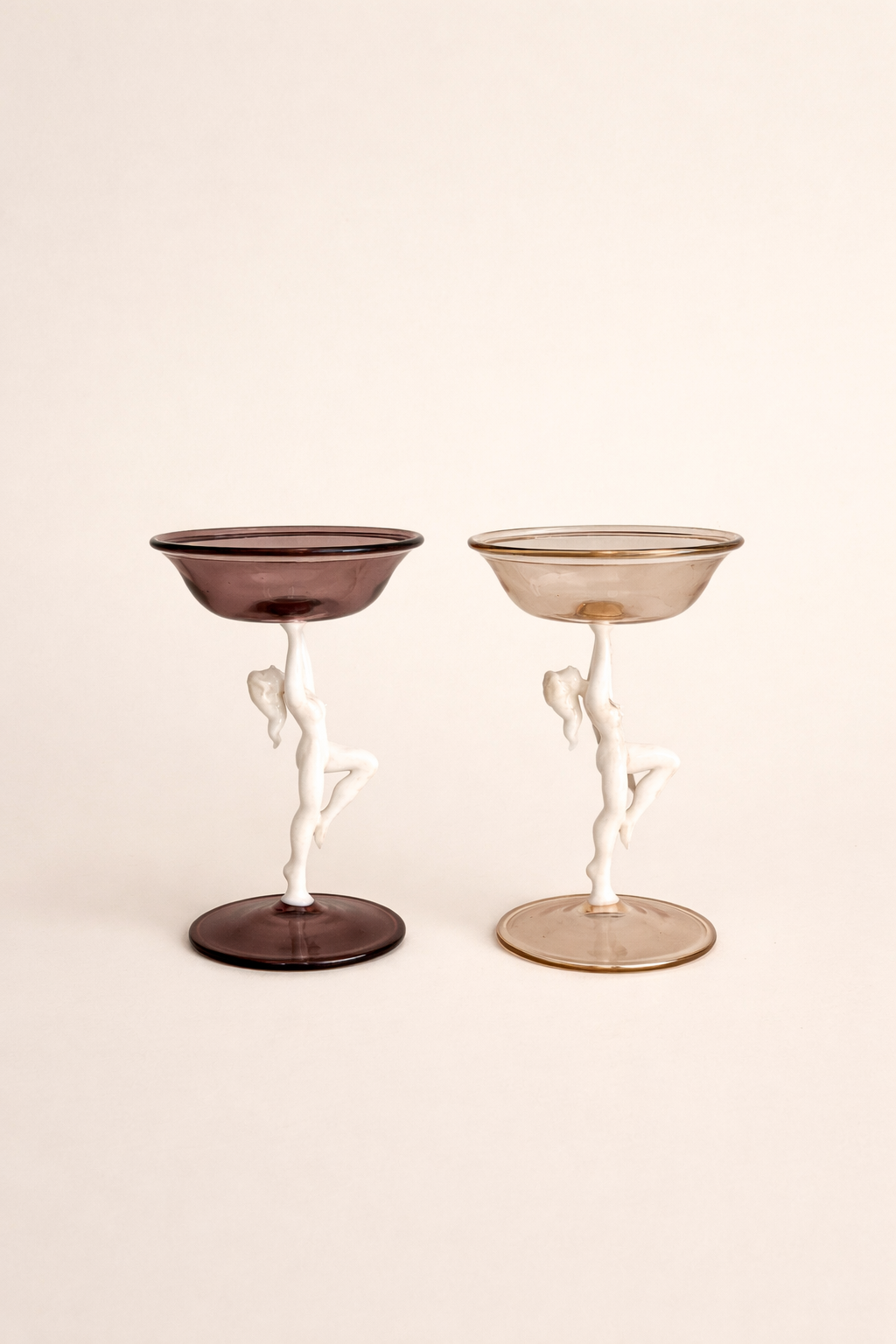
Fritz Lampl, Austria, 1920s
These are the kind of objects that remind me why I love sourcing. They're nearly 100 years old, unmistakably of their time, yet somehow feel entirely contemporary. The fact that they've survived in such beautiful condition only adds to how special they are.
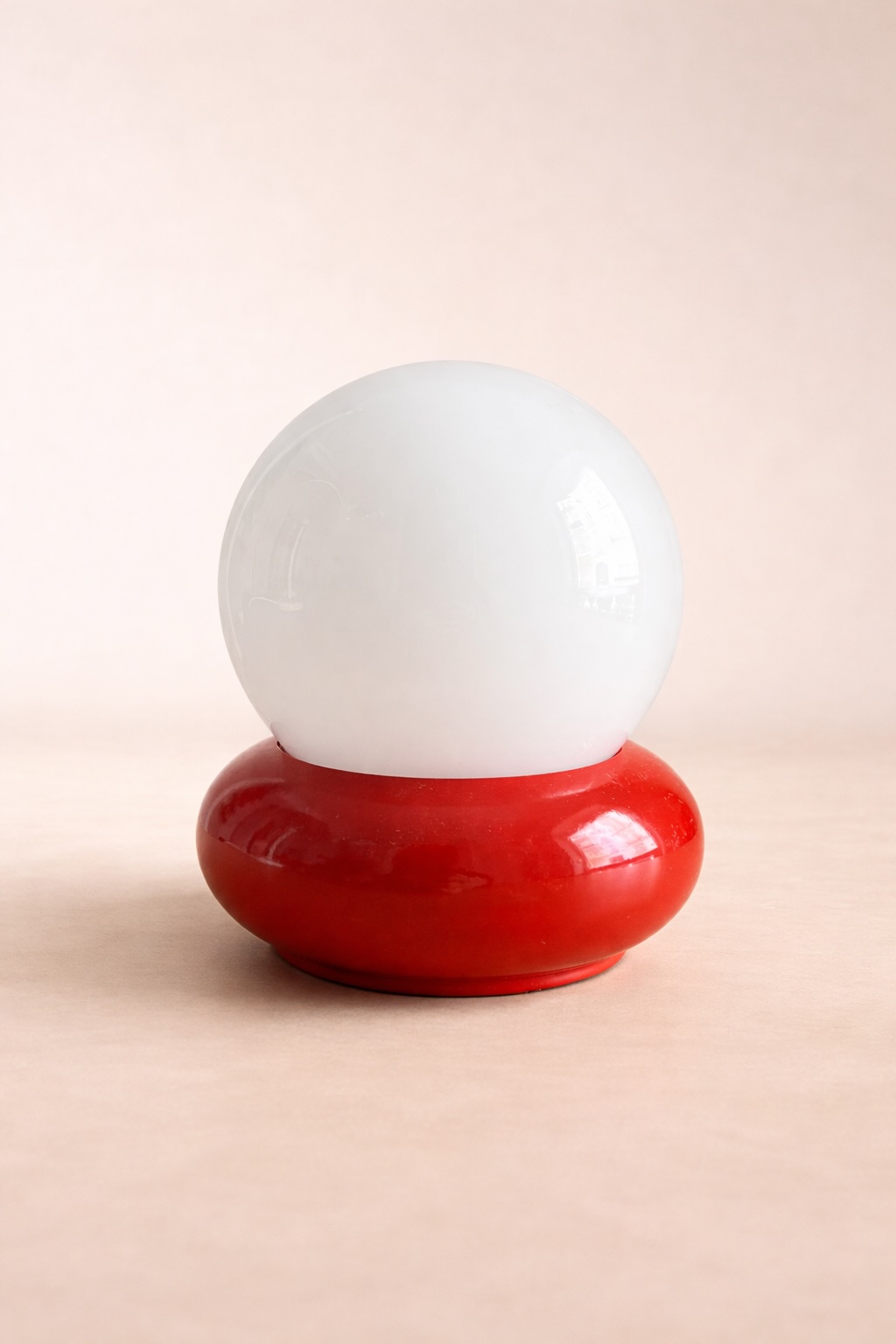
Spain, 1960s
What caught my eye was that this works just as well as a sculptural object as it does a lamp. The white globe, bright red base and playful Space Age proportions give it a strong presence even when switched off. It's the sort of design that doesn't take itself too seriously, which is part of its appeal.
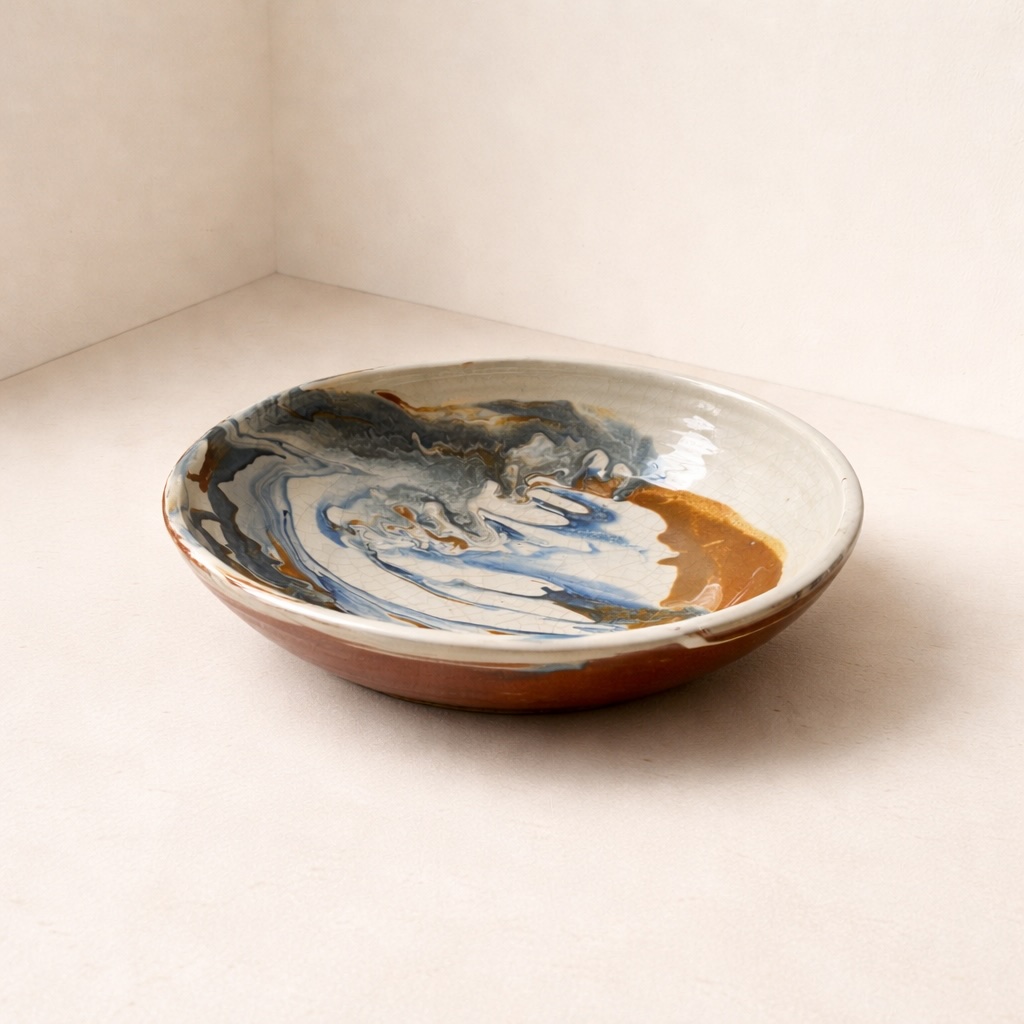
Huelva, Spain
A handmade ceramic bowl made in Huelva, Andalucia. It´s finished using the traditional cuchara glazing technique, where layered glazes are gently moved by hand to create fluid, marbled patterns. The process produces subtle variations in colour and movement, making each piece entirely unique.
Hi, I'm Ellie Sparrow, owner and curator, living in Madrid. I've always loved the idea of the home as a personal story, shaped through the objects and art we choose to live with. Collected over time, these pieces become markers of certain moments and reminders of where we've been.
My intention is to release pieces in small, considered drops — each one the result of research, sourcing, and instinct. And each piece is something I would love to live with myself.
For any questions or specific sourcing enquiries, please email or DM me. I'd love to connect.
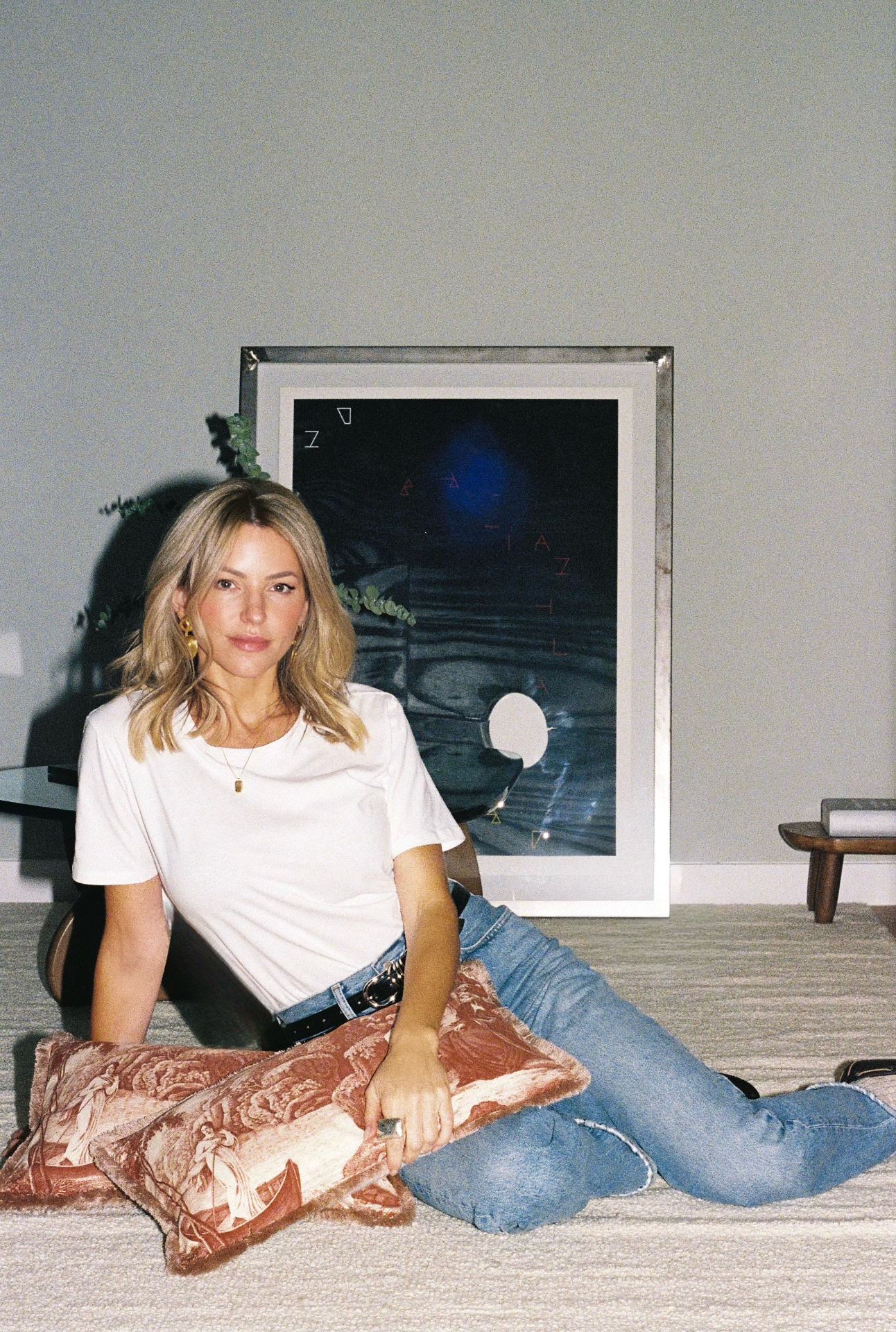
Before I begin looking, I'll spend time researching designers, manufacturers, artists and design movements. The website tends to make sourcing look quite organised, when in reality it's not.
The challenge isn't finding objects… it's finding the right ones. What eventually appears here is the result of both research and instinct.